
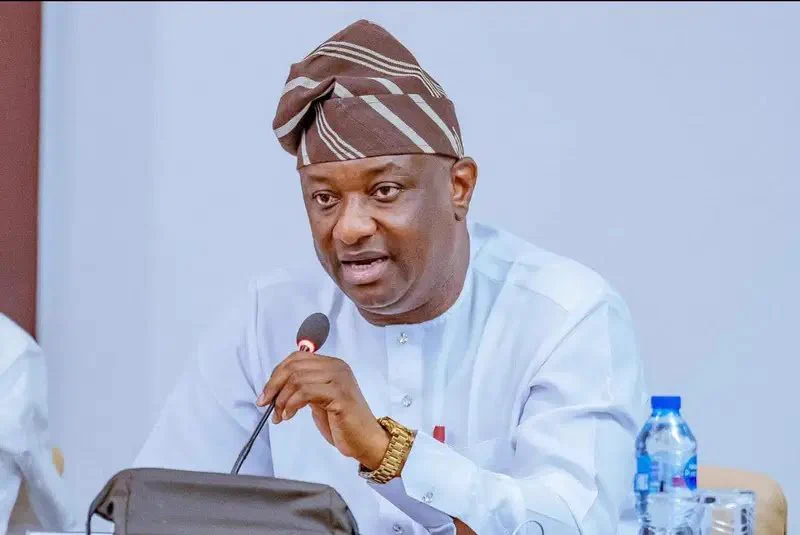
Minister of Aviation and Aerospace Development, Festus Keyamo, has said the ₦70,000 national minimum wage is inadequate for Nigerian workers to cope with the current economic pressures.
Keyamo spoke at the 2026 National Pre-Retirement Summit organised by XEM Consultants Limited, where he said the rising cost of living had eroded workers’ purchasing power and made an upward review of wages necessary.
The minister urged the Federal Government to meet organised labour halfway in the ongoing wage discussions, noting that unions were demanding as much as ₦500,000. He recalled the negotiations that preceded the increase in the national minimum wage from ₦30,000 to ₦70,000 in 2024, but said the current wage was still insufficient to absorb the economic shocks confronting workers.
Keyamo also criticised the treatment of workers by some government agencies, particularly situations where employees are denied basic allowances while senior officials allegedly approve large sums for international trips.
“I will have none of it. Without these workers, we will not have a country,” he said.
He stressed that workers’ welfare should be prioritised because human resources are central to productivity, effective public service and national development.
“It’s not the machines or everything that you have; it’s the human factor. Without that, no machine will move,” he said.
Keyamo urged ministers and heads of government agencies to place workers’ interests ahead of bureaucratic considerations, saying the welfare and productivity of employees should receive greater attention.
Also speaking at the summit, NLC President Joe Ajaero called for government intervention to cushion workers and other Nigerians from rising fuel, transportation and food costs. He argued that wage negotiations should focus on workers’ real purchasing power rather than nominal figures.
About The Author



More Stories
Anambra Flood Tragedy: Missing 6-Year-Old Pupil Swept Away By Flood Found De@d After 24 Hours, Laid To Rest
Don’t use stolen money to sponsor Hajj, Jerusalem trips—Sultan Of Sokoto Warns Politicians
First Niger Bridge Will Be Decorated With Tinubu’s Pictures After Rehabilitation, He Deserves To Be Appreciated For His Good Works — Minister of Works, David Umahi