
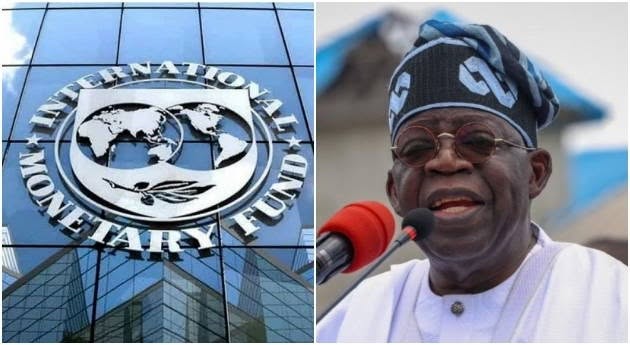
The International Monetary Fund (IMF) has recommended the introduction of new taxes on fuel products and telecommunications services in Nigeria, a move that could spark fresh concerns over the cost of living in the country.
In its 2026 Article IV Consultation report on Nigeria, the IMF said the government would need additional tax measures to boost revenue and fund development projects, social programmes and support for vulnerable citizens.
The Fund suggested extending Value Added Tax (VAT) to fuel products, introducing excise duties on telecom services, increasing the VAT rate, and reviewing some tax exemptions and customs duty waivers.
“Further tax policy changes will likely be needed… including extending VAT to fuel products and introducing telecom excises,” the IMF stated.
However, the Washington-based institution warned that any new taxes should be introduced carefully, considering Nigeria’s worsening pov£rty and food insecurity levels.
“The timing of reforms must consider the pov£rty and food insecurity situation and ensure that the cash transfer system is in place and funded,” the report added.
Telecom firms had argued that additional taxes would increase call and data costs for subscribers, while labour unions and business groups have consistently opposed fuel-related taxes amid rising transport and food prices following the removal of petrol subsidies.
According to the IMF, the proposed revenue-enhancing measures could generate an additional 3.9 per cent of Nigeria’s Gross Domestic Product (GDP) within three years. Administrative reforms aimed at improving tax compliance could add another 3.1 per cent of GDP.
The Fund projected that, despite some tax relief measures for households and small businesses, the overall reforms could increase government revenue by 4.6 per cent of GDP over the medium term.
The IMF maintained that stronger revenue mobilisation remains critical as Nigeria continues to face fiscal pressures despite recent economic reforms.
About The Author





More Stories
IMF Raises Alarm as Nigeria’s External Debt May Hit $72.6bn Before 2027 Election
Kitchen Inflation: Nigerian Families Abandon Gas Cylinders for Firewood Amid ₦2,400/kg Spike
Fact Check: Why MTN CEO Insists Nigeria Has One of the World’s Cheapest Data Rates