
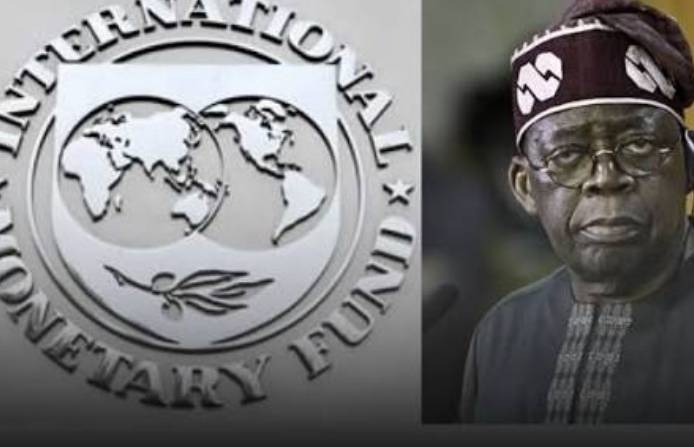
Nigeria’s public external debt could rise by over $20 billion and reach $72.6 billion by 2027, according to the International Monetary Fund (IMF), which has warned that election-year spending pressures may worsen the country’s borrowing needs.
In its 2026 Article IV Consultation Report released on Tuesday, the IMF projected that Nigeria’s public external debt would increase from $51.9 billion in 2025 to $66.5 billion in 2026 before climbing to $72.6 billion in 2027—a nearly 40 per cent rise within two years.
The Fund cautioned that growing poverty, food insecurity and spending ahead of the 2027 presidential election could widen fiscal deficits.
“Spending pressures from elevated poverty and food insecurity, including in the run-up to the elections, could widen fiscal deficit and increase financing needs,” the IMF stated.
READ ALSO: Air Canada Captain Who Flew 900 Passenger Flights for 27 Years With Fake Licence Faces Fra¥d Probe
The report also projected Nigeria’s total external debt, including private-sector obligations, to rise from $109.3 billion in 2025 to $132 billion by 2027.
According to the IMF, public external debt as a share of exports could increase from 82.9 per cent in 2025 to 104.3 per cent by 2027, while interest payments on public debt are expected to rise from $2 billion to $3 billion over the same period.
The Fund noted that debt servicing would continue to consume more than half of Federal Government revenue, with interest payments projected to account for over 52 per cent of revenue through 2027.
The IMF also expressed concern over the Federal Government’s proposed $5 billion Total Return Swap (TRS) financing arrangement, warning that such structures are often opaque and carry significant risks.
“The arrangement exposes the government to margin calls if the FX value of the naira securities drops,” the Fund said.
IMF Resident Representative to Nigeria, Christian Ebeke, urged caution, saying, “These types of structures carry risks. Usually, they are opaque.”
He added that Nigeria already has access to international capital markets and could explore alternatives such as Eurobonds or concessional financing.
About The Author




More Stories
Trump Unveils America First Seafood Strategy with $5B in Loans and New Consumer Label
FG Announces 30-Day Subsidy On Petrol Sold By NNPC
Petrol Still Cheaper In Nigeria Than USA Despite Fuel Subsidy Removal — Minister of State for Petroleum, Heineken Lokpobiri