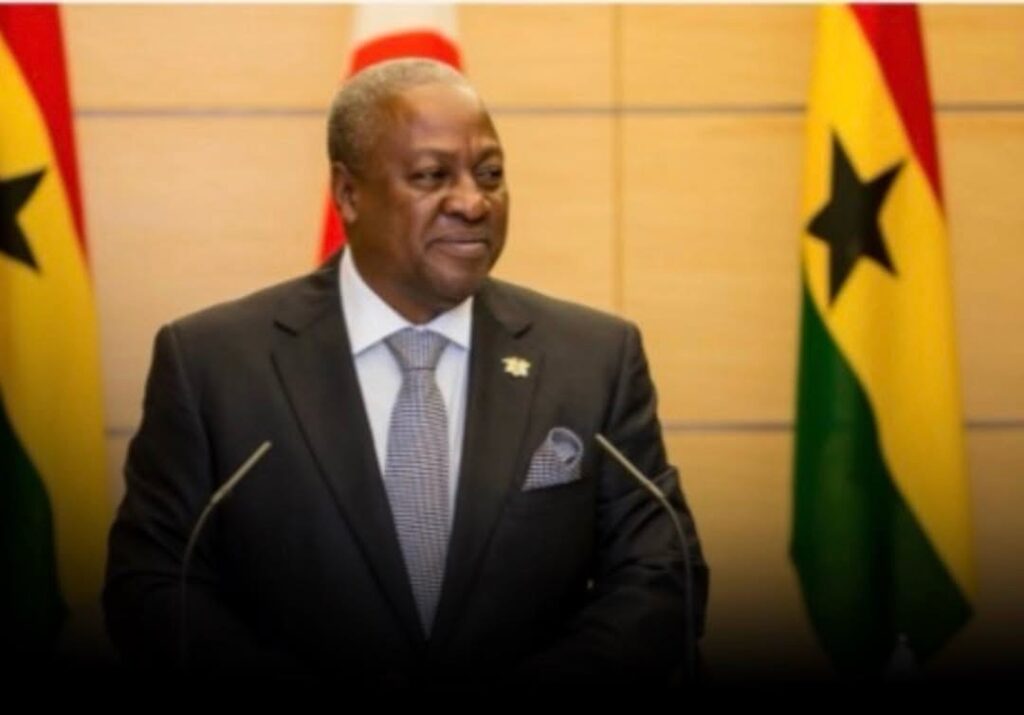
Mahama went further to stress that the spending extends into personal relationships, adding, “And even their spouses, the wives, and the side ch+cks also benefit. Because when they are paid and they get something, they give their wives and side ch+cks, you know, some of the money.
In his remarks, Mahama noted that when contractors receive funds, part of that money is often shared beyond official households, extending to romantic partners outside marriage. He stressed that this stream of spending should not be ignored, as it contributes to economic activity in subtle but impactful ways.
According to him, once these partners
receive money, it quickly circulates through everyday services supporting businesses such as hairdressers, fashion designers, jewelry vendors, and handbag sellers.
He implied that this layer of spending forms part of a broader informal economic chain that thrives on personal relationships and discretionary income.





More Stories
I Made My First ₦1 Billion At 21 — Billionaire Businessman King Ochacho Reveals
I Changed My Birthday From November 18 To November 30 Because November 18 Has Been A Bad Day For Me For The Last 16, 17 Years — Singer Mr Peter Psquare Opens Up On Birthday Struggles
There Are No Bad Individuals in a Marriage, Couples Often Exhibit What They Learned From Their Parents’ Marriages — Comedian Funnybone